Eyes Wide Open
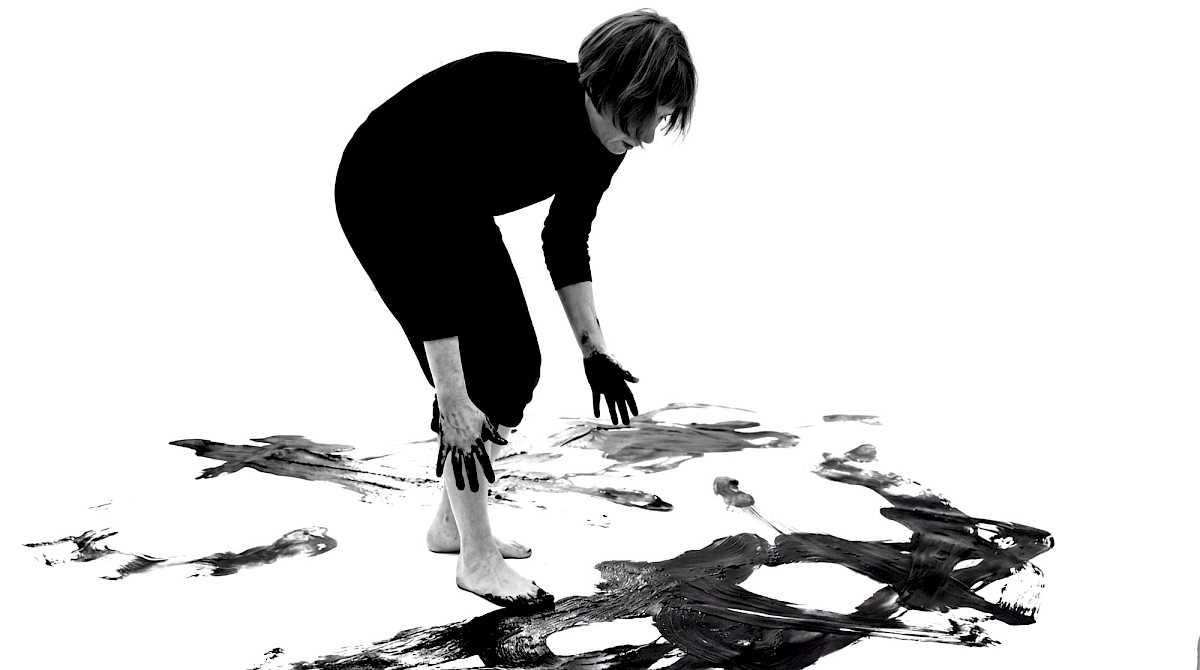
You wanted to be a real artist, with a real studio, a place where you could retreat to paint with real gestures. You wanted to throw paint, to let it run with energy. You wanted to recover ancient, primal, unforgettable gestures, the gestures of Janet Sobel (before Jackson Pollock’s drippings), of Joan Mitchell, of Joyce Pensato, of Katharina Grosse. You wanted to be like them. You wanted to be them.
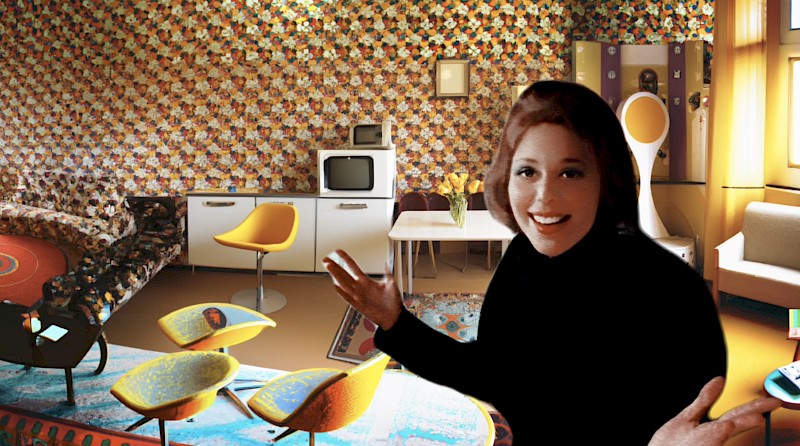
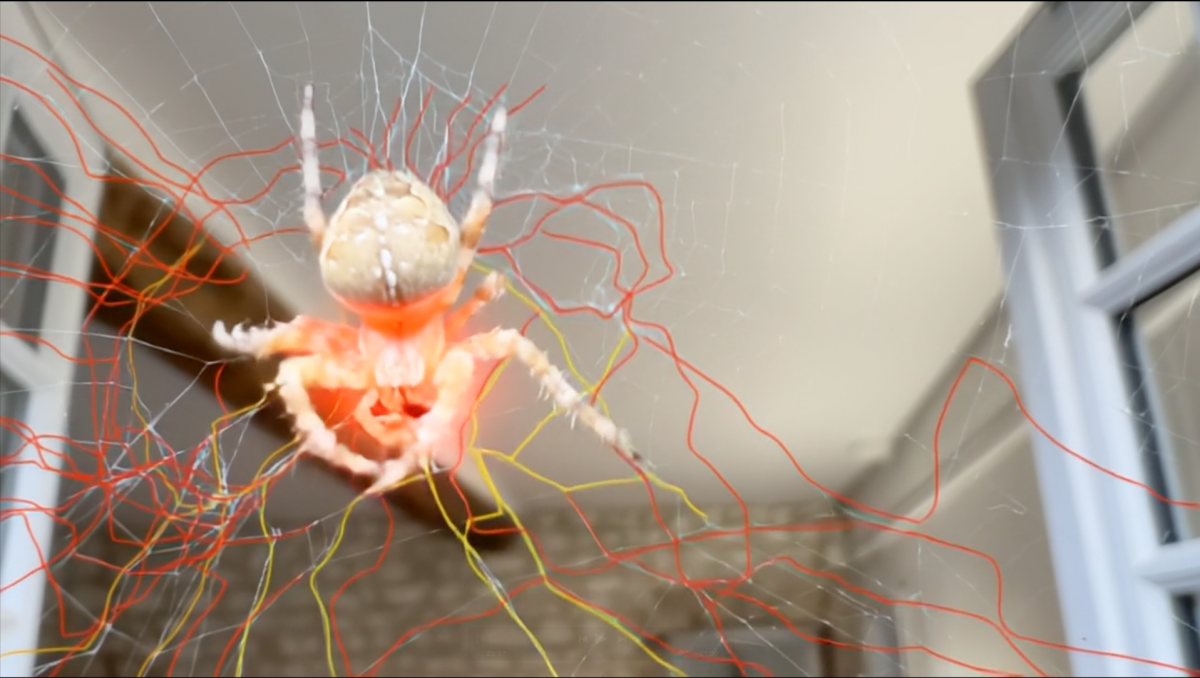
At first, the machines help you. Artificial intelligences animate the forms you imitate. You believed forms were silent and motionless, but the machines give them movement and speech. The forms speak to you. They send you signs. You can no longer sleep, nor leave your room, nor close your eyes. You are stunned.
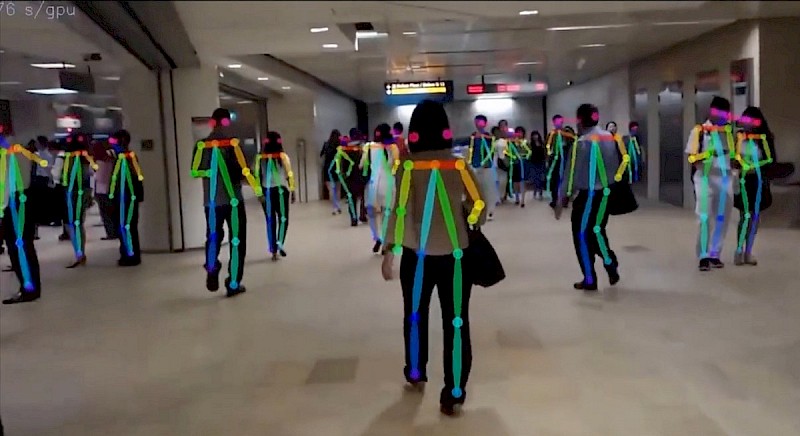
Little by little, you realize that the forms animated by neural networks produce nothing but noise, a noise that gently hypnotizes. You understand that the machines have stolen from all of us. They have stolen this love story we once had with forms.
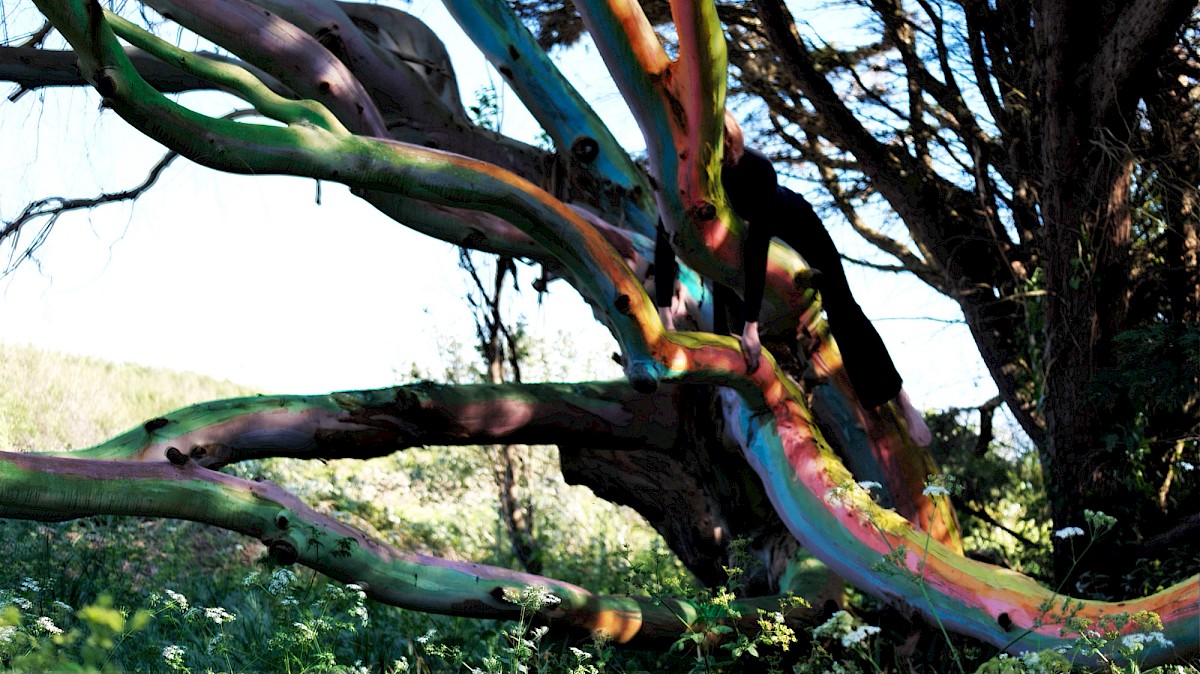
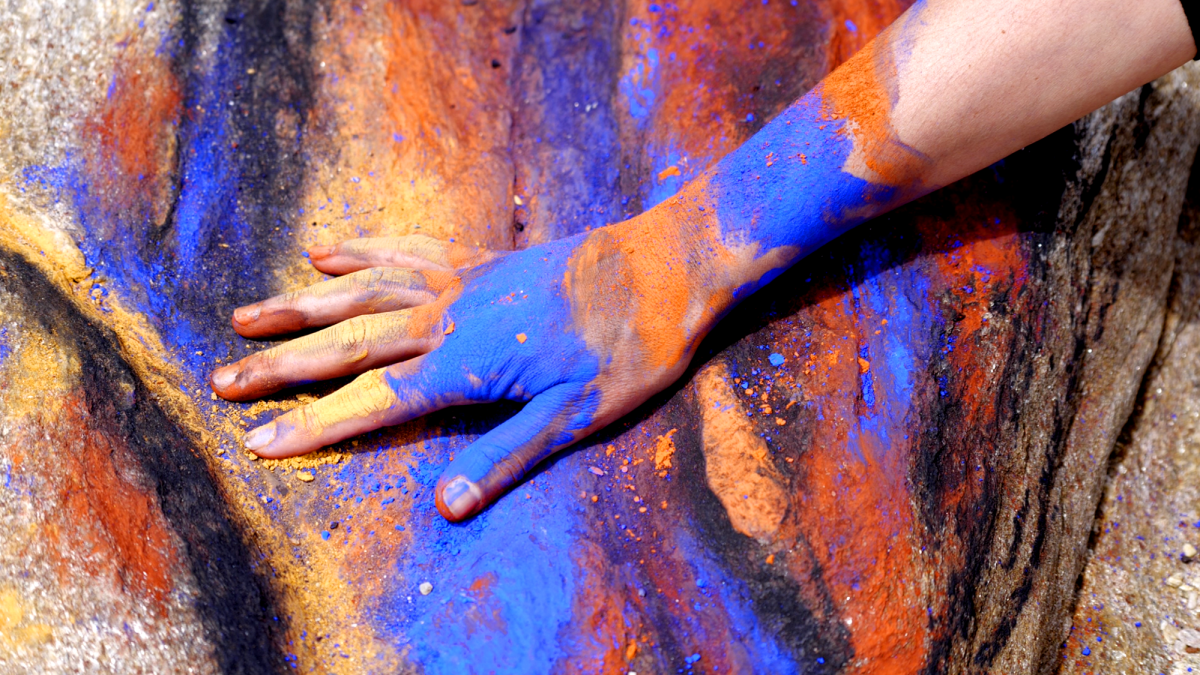
So you flee, you break through the ceiling, pierce the floorboards. You cover the forms with paint to silence them. You go out, you hide in forests, you draw on rocks, you paint directly onto the sea and the clouds, colors that belong to no one. Still, the machines follow you, they watch you and try to recognize your traces, as if they were their own and as if all of this belonged to them.
One day, you will be able to close your eyes. To breathe freely. You will be spider, wolf, tree, stone, lichen, snail, ants, bird. You will be nature.
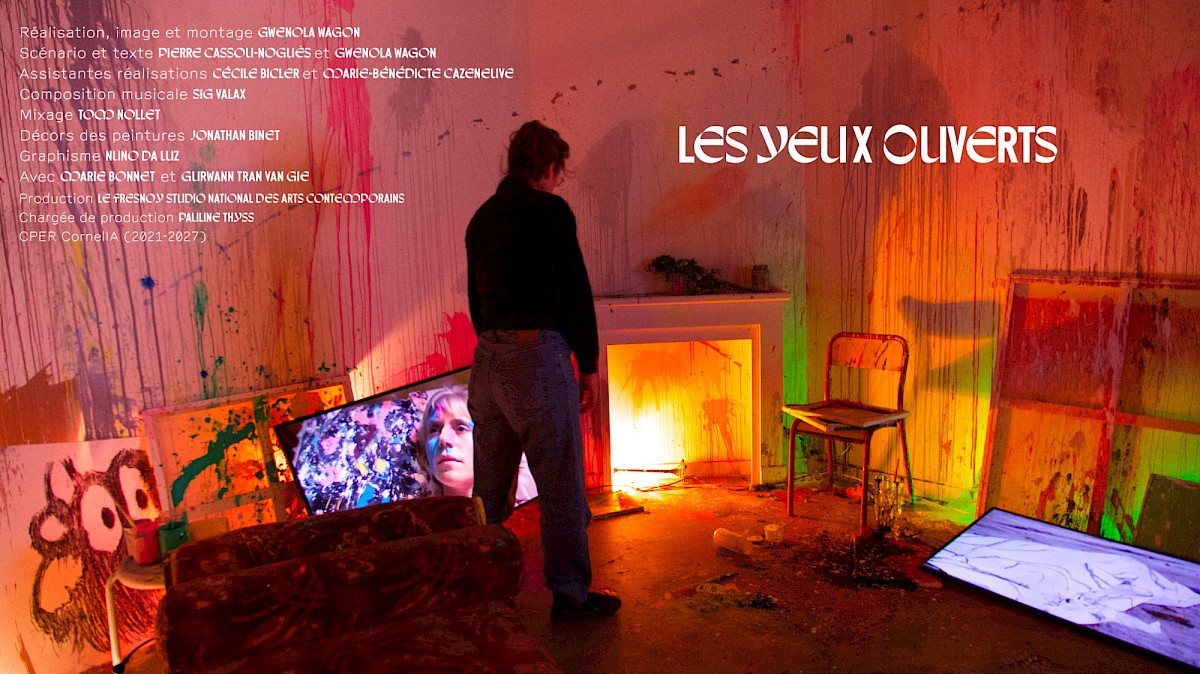
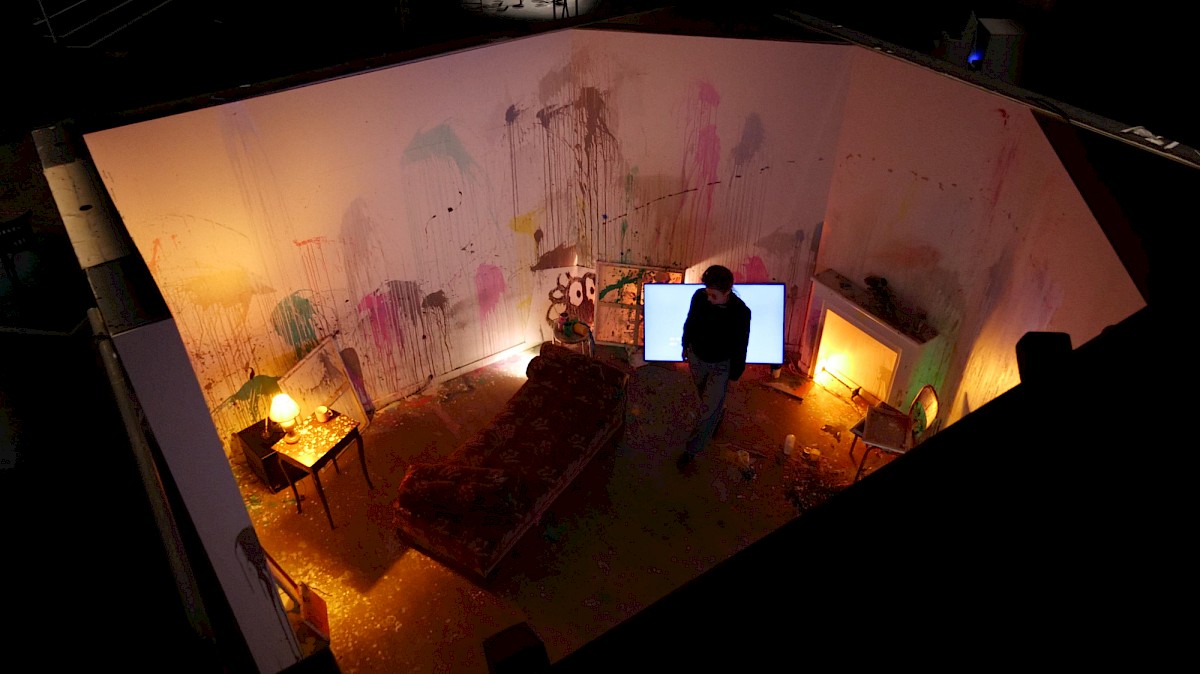
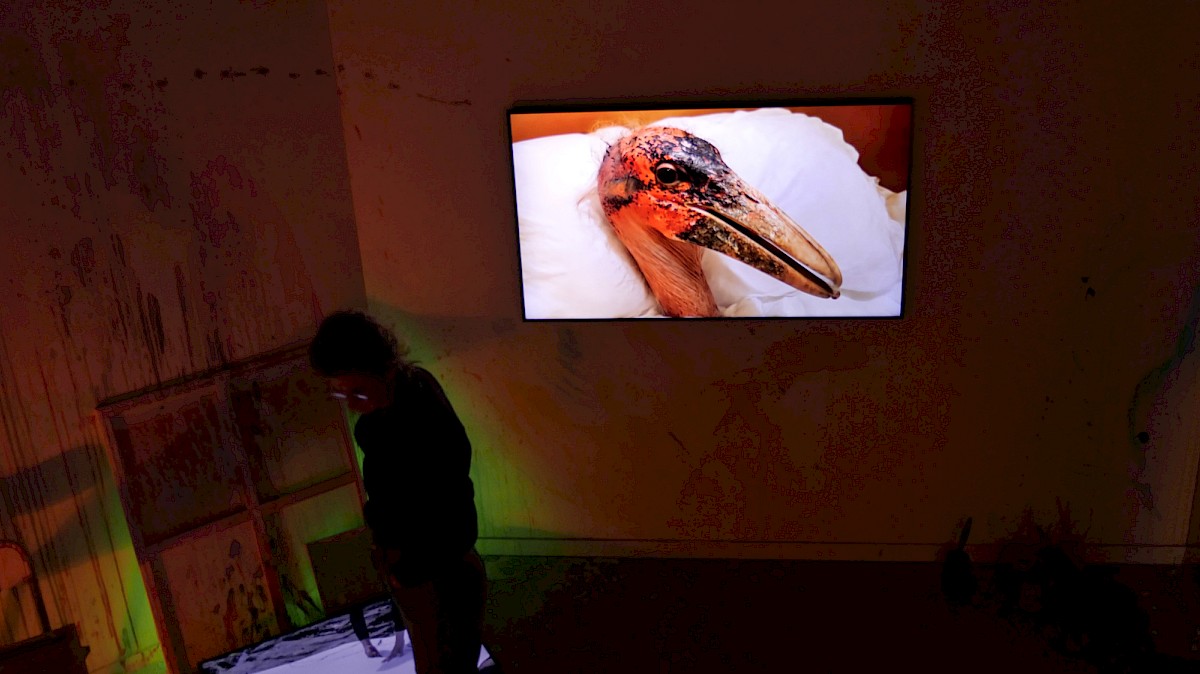
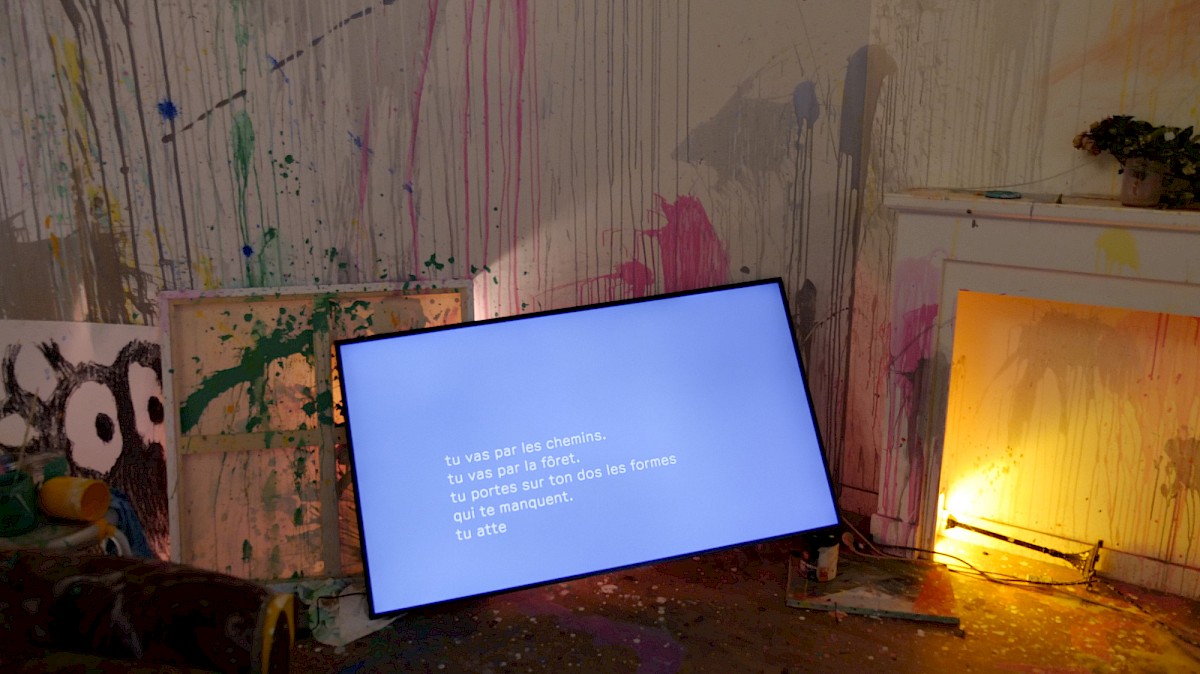
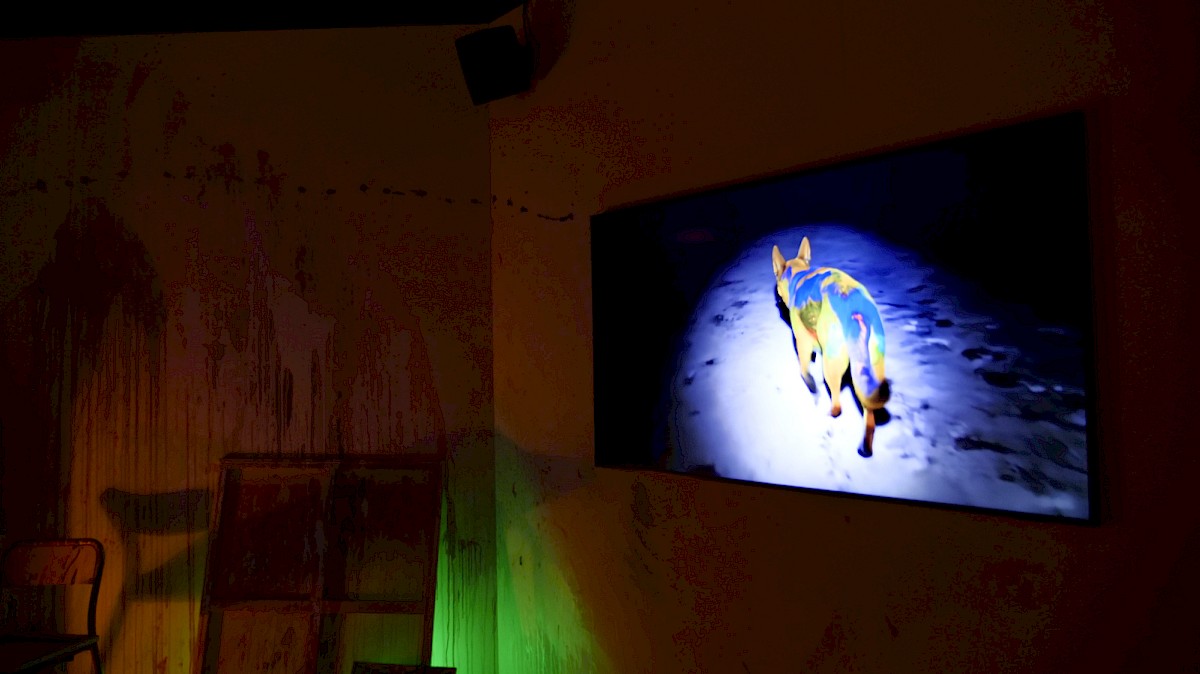
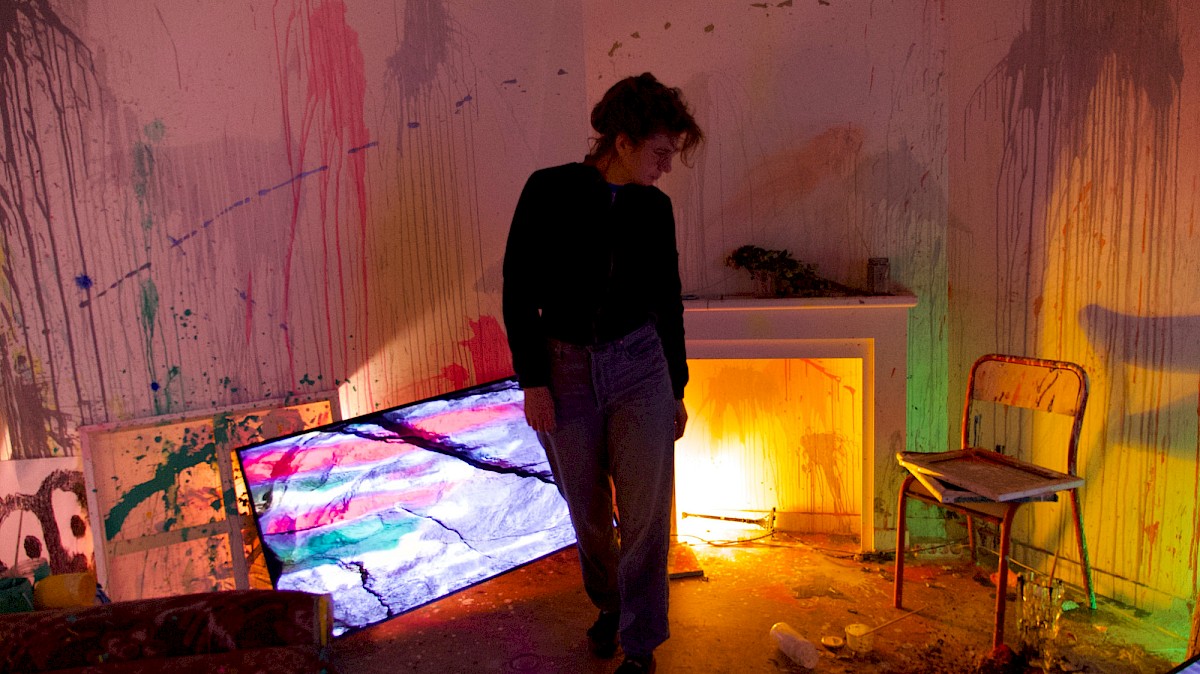
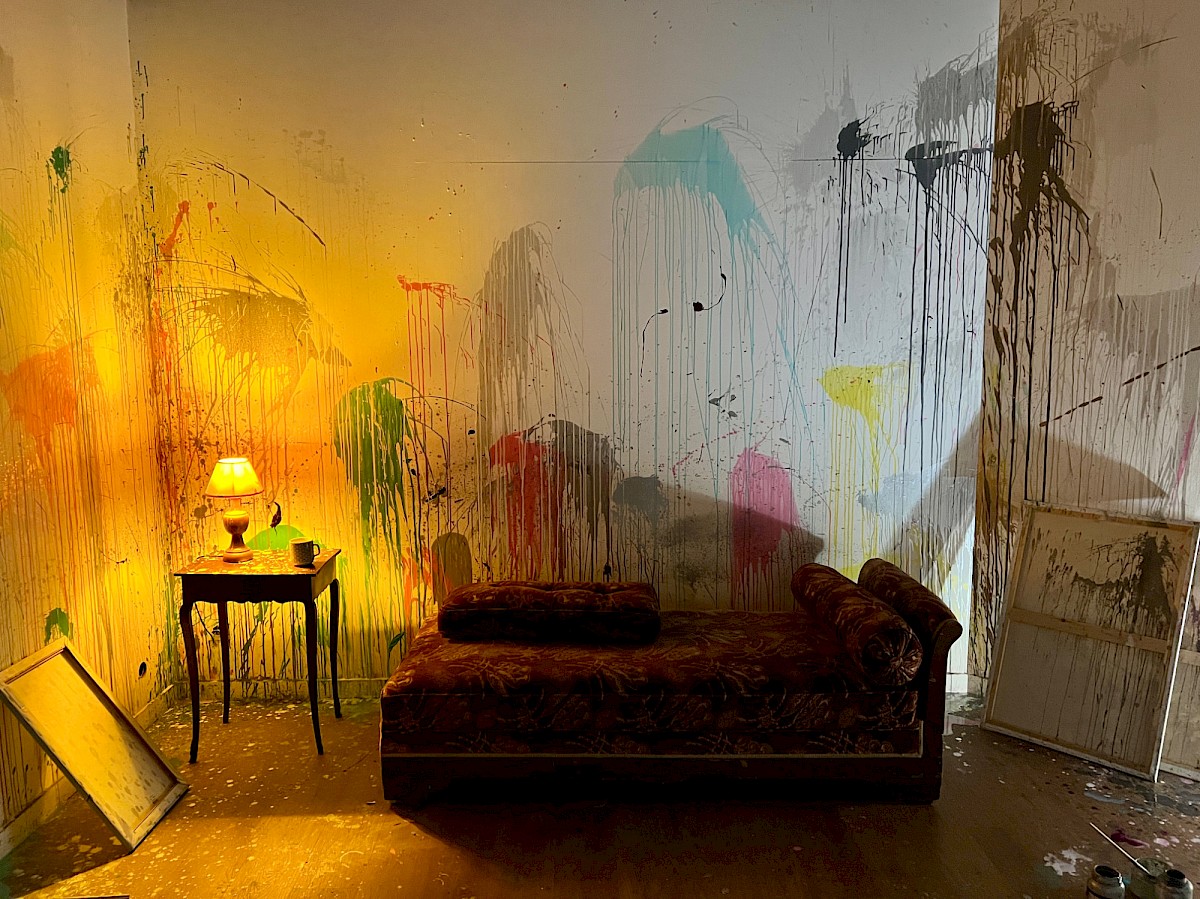
"Different from World Brain but nonetheless related through invitation to enter an enclosed space (a reconstructed studio, splattered with splash of brightly colored paint, a sagging couch, screens, lamps, and a generally immersive atmosphere), this installation stood out in the heart of the exhibition. A body of very strange, hybrid images—a blend of colorful painting, wild “dripping,” and imagery generated by generative AI. With the almost still-smoldering remnants of a perhaps imaginary performance, it was a space that felt both alive and dead.
The artist’s work really surprised and captivated me. Something was finally happening in a contemporary art exhibition. After wandering a bit through the immense hall hosting Panorama 28, I found a place of solace. A work in which to dwell, temporarily, in a space where, generally speaking, one merely passes through art (rarely the other way around). I’m becoming increasingly attuned to the question of presence in my relationship with art. Works that don’t welcome me are unlikely to interest me on a deep level. Open eyes create that presence."
Benoît Hické, Les images splash de Gwenola Wagon, 2026


Credits
- Directed by Gwenola Wagon
- Production Le Fresnoy Studio national des arts contemporains
- Production Manager Pauline Thyss
- Musical Composition Sig Valax
- Image Gwenola Wagon
- Text Pierre Cassou-Noguès
- Assistant Marie-Bénédicte Cazeneuve
- Second camera Cécile Bicler
- With Cécile Bicler, Marie-Bénédicte Cazeneuve, Gurwann Tran Van Gie and Marie Bonnet
- Editing Gwenola Wagon
- Editing coaching Cécile Bicler
- Scenography painting Jonathan Binet
- Graphism Nuno da Luz
- Sound Mixing Tom Nollet
- Post production Le Fresnoy Studio national des arts contemporains
- CPER CornelIA (2021-2027) Co-construction responsable et durable d’une Intelligence Artificielle